

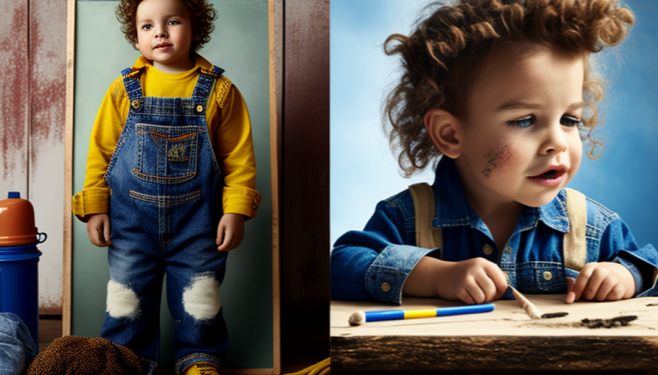
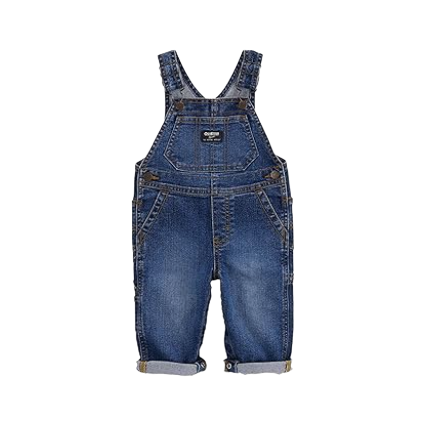
OSHKOSH B’GOSH Baby Boys World’s Best Overalls
- Classic Vestbak detail for a timeless look.
- Adjustable shoulder straps ensure a comfy, customizable fit as your baby grows.
- Features the signature OshKosh logo patch for a touch of authenticity.
- Comes with a multi-pocket design for practicality and style.
- Adjustable cuffs allow for better fit and longer wear.
$40.90
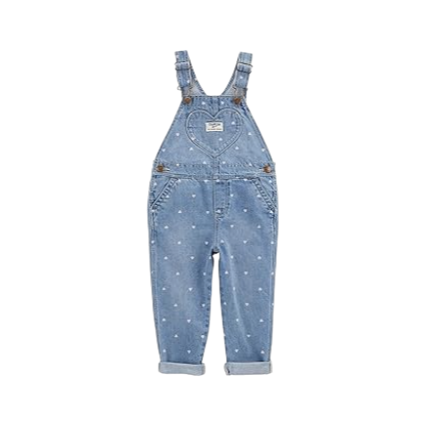
Oshkosh Girls World’s Best Overalls
- Adorable allover print adds a playful, colorful touch.
- Signature OshKosh logo patch for a classic look.
- Includes functional pockets on the back for added utility and charm.
- Designed with adjustable straps to provide maximum comfort and adaptability.
$35.18
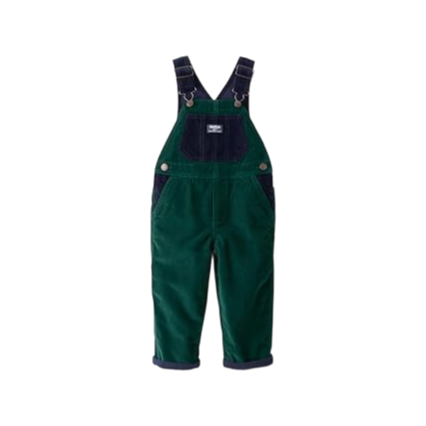
Oshkosh Boys World’s Best Overalls, Green Corduroy, 3T
- Made from soft, durable green corduroy fabric for a stylish, rugged look.
- Features adjustable straps to ensure the perfect fit.
- Includes a front bib pocket for a practical and classic touch.
- Designed with functional snaps at the waist for easy changes.
- Loop & Slider details for added durability and functionality.
$25.52
Navigating Childhood’s Most Iconic Wardrobe Staple
As I sit here watching my daughter splash through puddles in her perfectly worn-in denim overalls, I can’t help but smile at the timeless scene unfolding before me. Those distinctive white and blue stripes on the straps, the practical pockets that now hold her “treasures” (mostly rocks and bottle caps), and that unmistakable durability that’s weathered countless playground adventures. These aren’t just any overalls—they’re Oshkosh B’gosh, and like many parents before me, I’ve discovered why these iconic garments have remained a childhood staple for generations.
When I first became a parent, I had no idea how passionate I would become about children’s clothing. But after cycling through countless fast-fashion options that fell apart after a few washes, I discovered the undeniable quality and timeless appeal of Oshkosh B’gosh overalls. They’ve become a cornerstone of my children’s wardrobes, and I’ve learned quite a bit about selecting the perfect pair along the way.
This guide represents everything I wish I’d known when I first ventured into the world of children’s overalls. From understanding sizing quirks to navigating seasonal options, fabric considerations, and style variations—I’m sharing all my hard-earned knowledge to help you find the perfect Oshkosh overalls for the little ones in your life.
The Rich Heritage Behind the Iconic Brand
Before diving into the practical aspects of selecting overalls, I think it’s worth appreciating the remarkable history of the brand we’re discussing. Oshkosh B’gosh isn’t just another children’s clothing line—it’s an American institution with roots stretching back to 1895. The company began in Oshkosh, Wisconsin (hence the name) as a manufacturer of adult workwear, specifically durable bib overalls for railroad workers and farmers.
The transition to children’s clothing came in the 1960s, when the company recognized parents’ desire for similarly durable garments for their active children. The iconic slogan “Oshkosh B’gosh” was born, and those distinctive white and blue railroad stripes became the hallmark of quality children’s overalls.
What fascinates me most about this heritage is how the core values remain intact today. While fashion trends come and go, Oshkosh has maintained its commitment to durability, comfort, and that distinctive Americana aesthetic that manages to feel both nostalgic and contemporary. There’s something profoundly satisfying about dressing my children in garments with such authentic history—knowing that their overalls are the modern descendants of workwear designed to withstand the toughest conditions.
Many parents I know share similar sentiments. We’re not just buying clothing; we’re participating in a tradition, often one that spans generations within our own families. I still have photos of myself wearing those same distinctive striped overalls in the 1980s, creating a heartwarming visual connection between my childhood and my children’s.
Understanding the Oshkosh B’gosh Sizing System
Let me share one of the most important lessons I’ve learned as a parent buying Oshkosh overalls: their sizing system requires a bit of special attention. Unlike many children’s clothing brands that simply use age as a size indicator, Oshkosh sizing is designed with practicality in mind, focusing more on actual measurements than arbitrary age designations.
When I purchased my first pair of Oshkosh overalls, I naively selected my daughter’s typical size based on her age. The result? Overalls that were comically large, with straps we had to adjust to their shortest length and cuffs we had to roll up multiple times. The quality was undeniable, but the fit was all wrong.
Here’s what I’ve learned about navigating the Oshkosh sizing system:
First, always measure your child before purchasing. The most relevant measurements for overalls are height, waist, and inseam. While it might seem tedious to take these measurements, it’s absolutely worth the effort to achieve that perfect fit.
Second, understand that Oshkosh overalls are designed with growth in mind. They typically run slightly larger than standard sizes, which is actually a brilliant design choice once you understand it. Those adjustable straps aren’t just for show—they’re engineered to extend the wearable lifespan of the garment. The same goes for the generous hem allowance, which can be unfolded as your child grows taller.
For infants and toddlers, Oshkosh uses a month-based sizing system (3M, 6M, 9M, 12M, 18M, 24M), followed by 2T, 3T, 4T, and 5T. After the toddler sizes, they transition to regular kids’ sizes (4, 5, 6, 7, etc.). The overlap between 4T and size 4 often causes confusion—the key difference is that “T” sizes typically have features like snap inseams for easy diaper changes, while regular number sizes assume potty training has been accomplished.
I’ve found that checking the specific size chart for each style is essential, as there can be subtle variations between different overall designs. The classic denim overalls, for instance, sometimes fit differently than the lighter-weight canvas versions.
When in doubt, I recommend sizing up rather than down. With the adjustable features of Oshkosh overalls, a slightly larger size can be customized to fit now and will provide longer wear as your child grows. Those extra months of wear make a significant difference in the value equation, especially considering the quality and price point of these garments.
Decoding the Different Overall Styles and Cuts
One of the most surprising discoveries in my Oshkosh journey was just how many different styles of overalls the brand offers. When I first ventured into this world, I naively assumed “overalls are overalls”—but I quickly learned that the variations are substantial and choosing the right style can make all the difference in functionality, comfort, and visual appeal.
The classic bib overalls are what most people picture when they think of Oshkosh—featuring the traditional H-back design with those iconic blue and white striped straps, multiple pockets, and a roomy, straight-leg cut. These are the workhorses of the overall world, perfect for everyday play and built to handle everything from sandbox adventures to finger painting sessions.
But beyond this iconic style, Oshkosh offers several variations worth considering:
Slim fit overalls have become increasingly popular in recent years. My son, who has a leaner build, looks much more comfortable in these than in the traditional style, which would bunch up awkwardly at his waist. The slim fit maintains the classic overall look but with a more contemporary silhouette.
Shortalls (short overalls) are our summer go-to. They offer the same practical top portion but with shorts instead of full-length legs. Perfect for warm weather, they keep that distinctive overall look while being significantly cooler. I’ve found these particularly practical for potty-training toddlers, as they’re easier to manage in bathroom emergencies.
Skirtalls combine an overall top with a skirt bottom, creating an adorable option for girls who prefer skirts but want the practicality of overalls. My daughter went through a phase where she refused to wear anything but skirts, and skirtalls were our perfect compromise—offering the twirly skirt she wanted with the practical coverage and durability I preferred.
World’s Best Overalls is Oshkosh’s premium line, featuring enhanced details like extra reinforced stitching, superior quality hardware, and slightly heavier-weight fabric. While more expensive, I’ve found these truly live up to their ambitious name, especially for very active children who put their clothes through extraordinary wear and tear.
Vestback overalls feature a full back panel rather than the traditional H-strap design. These can be easier to put on squirmy toddlers and provide a bit more coverage on chilly days. They’re less adjustable than the traditional style but offer a different aesthetic that some parents prefer.
When selecting between these styles, I consider both practical and aesthetic factors. For everyday play, the classic bib overalls remain unbeatable. For special occasions or family photos, I might opt for the World’s Best line with its slightly more polished appearance. And for seasonal appropriateness, the shortalls and skirtalls expand our options beyond the traditional full-length design.
Seasonal Considerations: Choosing the Right Fabric Weight
One of the most practical lessons I’ve learned is that not all Oshkosh overalls are created equal when it comes to seasonality. Selecting the right fabric weight and composition for your climate and the current season can make the difference between overalls that get worn constantly and ones that hang untouched in the closet.
Living in a region with distinct seasons, I’ve built a collection that adapts to our changing weather patterns. Here’s my seasonal breakdown:
For summer, lightweight options are essential. Oshkosh offers several variations that work beautifully in warm weather:
- 100% cotton chambray overalls provide excellent breathability while maintaining that classic denim look
- Canvas overalls in lighter weights (usually around 7-8 oz fabric) offer durability without excessive heat
- Shortalls, as mentioned earlier, are perfect for hot days while maintaining the overall aesthetic
- Lighter colors, which reflect rather than absorb heat
During spring and fall, the traditional denim overalls (typically 10-12 oz weight) hit the sweet spot—substantial enough for cooler mornings but not so heavy that they become uncomfortable during warmer afternoons. These transitional seasons are where Oshkosh overalls truly shine, offering the perfect balance of warmth and breathability.
For winter, I look for Oshkosh’s heavier options:
- Flannel-lined denim overalls provide an extra layer of warmth without bulkiness
- Corduroy overalls offer both warmth and a textural variation from standard denim
- Insulated overalls with light poly-fill are available for genuinely cold climates
- Darker washes and colors, which help conceal the inevitable winter mud and slush stains
One clever strategy I’ve adopted is layering. In colder weather, overalls work beautifully over thermal tops or light sweaters. The adjustable straps accommodate these extra layers without requiring a size change. Similarly, as temperatures warm up, the same overalls can be worn with progressively lighter underlayers, extending their seasonal versatility.
I’ve also discovered that fabric composition matters significantly. While traditional Oshkosh overalls are 100% cotton, some styles incorporate a small percentage of elastane or spandex (typically 1-2%). This slight stretch makes a remarkable difference in comfort and mobility, especially for very active children or those developing new physical skills like climbing or riding bikes.
The Price-Value Equation: Why Oshkosh Overalls Are Worth the Investment
Let’s address the elephant in the room—Oshkosh B’gosh overalls aren’t the least expensive option on the market. When I first became a parent, I balked at spending $30-$50 on a single garment for a rapidly growing child. Couldn’t I find similar-looking options for half the price? The short answer is yes. The longer, more experienced answer is that those alternatives are rarely comparable in the ways that truly matter.
After years of dressing my children in various brands, I’ve become a firm believer that Oshkosh overalls represent one of the best values in children’s clothing. Here’s why:
The durability factor cannot be overstated. I’ve watched in amazement as pairs of Oshkosh overalls survive what can only be described as childhood torture tests—countless washes, playground slides, tree climbing, mud puddle splashing, and the general chaos that comes with active kids. Where cheaper alternatives develop tears at stress points, lose buttons, or fade unevenly, Oshkosh overalls maintain their structural integrity and appearance.
This longevity translates directly into cost-per-wear, which is the true measure of value. A $40 pair of overalls worn 50 times costs less per wear than a $20 pair that falls apart after 10 uses. The math is straightforward, but it took me some time to internalize this perspective shift.
Their growth-accommodating design further enhances the value proposition. With adjustable straps, generous hem allowances, and thoughtfully placed buttons that can modify the fit, a single pair can often span multiple traditional size ranges. I’ve had pairs that served us faithfully for 18+ months of regular wear—an eternity in the world of children’s clothing.
The resale value is another aspect worth considering. Quality children’s clothing with recognized brand value holds its worth remarkably well on the secondhand market. When my children eventually outgrow their Oshkosh overalls, I can typically recoup 30-50% of the original cost by selling them to other families, effectively reducing my net investment even further.
Perhaps most importantly, there’s the intangible value of reliability. When I dress my children in Oshkosh overalls, I have absolute confidence that the garment won’t fail them during their adventures. No split seams when they’re stretching to reach that perfect climbing branch, no popped buttons when they’re racing to the swing set, no worn-through knees after a single afternoon of garden exploration. This peace of mind has genuine value that transcends the numerical price tag.
While I recognize that budget constraints are real for many families, I’ve found creative ways to build our Oshkosh collection without breaking the bank. Seasonal sales, outlet stores, secondhand shops, and hand-me-downs from friends have all contributed to our wardrobe while keeping costs manageable.
Finding the Perfect Fit: Practical Tips for First-Time Buyers
Purchasing Oshkosh overalls for the first time can be slightly intimidating, especially if you’re doing it online without the benefit of in-store try-ons. After some trial and error, I’ve developed a systematic approach that has served me well when selecting new pairs for my growing children.
First, take accurate measurements of your child—specifically height, weight, chest, waist, and inseam. Having these numbers on hand will allow you to compare them directly to Oshkosh’s detailed size charts, which are generally more reliable than age-based recommendations. Remember that children of the same age can vary dramatically in size and proportions.
Consider your child’s unique body shape. Is your little one tall and lean? Short and sturdy? Carrying most of their weight in their midsection? These variations can significantly impact how overalls fit. For taller, leaner children, I’ve found the slim fit line works beautifully. For more solid builds, the classic cut offers comfortable room without unnecessary bulk.
Pay attention to the specific design details of the pair you’re considering. Does it feature side buttons for easy dressing? Adjustable waist tabs for a more customized fit? Reinforced knees for children who spend a lot of time crawling or kneeling? These seemingly minor features can dramatically impact functionality.
When trying on overalls (or assessing the fit after purchase), I check these key areas:
- Strap length: When adjusted to their shortest setting, do the straps keep the bib at an appropriate height? When extended to their longest, will they accommodate future growth?
- Rise: Is there adequate room in the crotch area for comfortable movement and, if relevant, diaper coverage?
- Waist: The overalls should stay in place without digging into your child’s sides. There should be enough room to fit a finger or two inside the waistband.
- Leg length: Ideally, new overalls should have a slight break at the ankle, allowing for growth. Too-long legs can be temporarily cuffed.
- Overall proportions: The bib should rest comfortably on the chest without riding too high or sagging too low.
I’ve learned that different Oshkosh collections can fit slightly differently, even at the same labeled size. Their Heritage Collection, for instance, tends to run slightly larger than their standard line. OshKosh B’gosh Genuine Kids line, available at Target, sometimes has slightly different sizing than the mainline products sold at dedicated Oshkosh stores.
For online purchases, I highly recommend reading customer reviews that specifically mention sizing and fit. Many parents include their child’s measurements in these reviews, which can provide valuable context for making your own decision.
Accessorizing and Styling Oshkosh Overalls for Maximum Versatility
One of the aspects I love most about Oshkosh overalls is their remarkable versatility. With thoughtful styling, the same pair can transition from playground-appropriate to picture-perfect for special occasions. This adaptability has made them a cornerstone of my children’s wardrobes.
For everyday play, simplicity is key. A basic t-shirt or long-sleeve tee underneath provides comfort and a classic look. I typically stock up on solid-colored shirts in complementary colors that can mix and match with different overall styles. This simple pairing works for most daily activities from school to playground adventures.
When cooler weather hits, layering becomes essential. Thermal shirts, lightweight sweaters, and even hoodies can work beautifully under overalls. I’ve found that mock turtlenecks and crew necks lay particularly well under the bib portion, creating a clean, comfortable look. For extra cold days, a pair of leggings or thermal undergarments beneath the overalls adds warmth without bulk.
For dressier occasions, the right accessories elevate these practical garments surprisingly well. For my daughter, pairing her denim overalls with a ruffled blouse, a coordinating hair bow, and shiny mary jane shoes creates an outfit that’s both adorable and unique—perfect for birthday parties or family gatherings where comfort remains important but a step up from playground attire is appropriate.
For my son, swapping the standard t-shirt for a button-down (with sleeves rolled up for a more casual vibe) and trading sneakers for loafers or clean boots transforms his overalls into something notably more polished. A coordinating cap can complete this “dressed-up casual” look perfectly.
Seasonal accessories can keep the same pair of overalls feeling fresh throughout the year. In summer, pairing shortalls with sandals and a sunhat creates a practical warm-weather outfit. In fall, adding a light vest over a long-sleeve tee with the same overalls, now paired with sneakers or boots, transitions the look seamlessly into cooler weather.
For winter wear, insulated boots, colorful scarves, and coordinating mittens not only provide necessary warmth but also add visual interest to the relatively simple overall silhouette. I’m particularly fond of how rich jewel tones and patterns in these accessories pop against the classic denim blue.
Perhaps the most useful styling tip I’ve discovered is the impact of rolling or cuffing the hems. A single small cuff creates a more finished look for everyday wear. A more substantial cuff (especially with contrasting fabric visible) adds a stylistic element that feels intentional rather than merely functional. This technique also allows you to adjust length as needed for different shoes or for growth.
Care and Maintenance: Ensuring Maximum Longevity
The exceptional durability of Oshkosh overalls is one of their defining characteristics, but proper care significantly extends their lifespan and keeps them looking their best through countless adventures. Through some trial and error, I’ve developed a care routine that maintains the quality of our Oshkosh collection while accommodating the realities of busy family life.
First and foremost, I’ve learned to respect the care instructions on the garment tag. While it might be tempting to take shortcuts with children’s clothing, Oshkosh provides specific guidelines for a reason. For most denim and canvas overalls, they recommend machine washing in cold water and tumble drying on low heat. These conservative settings help preserve the fabric integrity, prevent excessive shrinkage, and maintain color vibrancy.
For particularly dirty pairs (think mud puddles or finger painting sessions), pre-treating stains before washing makes a significant difference. I keep a simple stain stick in our laundry area and quickly treat visible spots as the overalls go into the hamper. This immediate attention prevents stains from setting and becoming permanent fixtures.
I’ve found that washing overalls inside out helps preserve the outer appearance by reducing abrasion on the visible surface. This simple step is particularly effective for preserving the color in darker washes and preventing the fading that can make overalls look prematurely worn.
While fabric softener might seem like a good idea for comfort, I avoid it with our Oshkosh pieces. Over time, softeners can break down cotton fibers and reduce the durability that makes these overalls special. Instead, I’ve found that the natural softening that occurs with repeated washing and wearing creates a comfortable feel without compromising structural integrity.
For storage between seasons or when saving pairs for younger siblings, proper techniques help maintain shape and condition. I fasten all buckles and buttons before folding to help the garment hold its proper shape. For longer-term storage, I avoid plastic bags (which can trap moisture) in favor of cotton storage bags or acid-free tissue paper for delicate or special pairs.
Minor repairs, addressed promptly, can significantly extend the wearable life of Oshkosh overalls. Learning basic mending techniques for loose buttons or minor seam separations has saved numerous pairs from premature retirement. Oshkosh construction is generally excellent, but the extraordinary wear children subject their clothing to occasionally requires intervention.
For knee reinforcement on pairs worn by enthusiastic crawlers, iron-on patches applied to the inside of the knees before they wear through (at the first sign of thinning) provides preventative protection. These invisible reinforcements extend wear without altering the external appearance.
The Environmental Perspective: Sustainability and Hand-Me-Down Potential
As my awareness of fashion’s environmental impact has grown, I’ve come to appreciate Oshkosh overalls from a sustainability perspective as well. In a world of fast fashion and disposable clothing, these durable garments represent a refreshingly different approach to children’s wear.
The longevity of Oshkosh overalls directly translates to reduced consumption. Instead of purchasing multiple lower-quality items that quickly fail and enter the waste stream, investing in pieces that last through one child’s growth period—and often beyond to siblings or other families—reduces the overall environmental footprint of clothing our children.
The hand-me-down potential of Oshkosh overalls is truly exceptional. I’m currently watching my youngest wear overalls that have already served two older siblings, still looking remarkably good despite years of active wear. This multi-child durability significantly amortizes both the financial investment and the environmental impact of production.
Beyond immediate family, Oshkosh overalls have tremendous secondhand value. Whether through formal consignment, online marketplaces, or informal parent networks, these garments often enjoy second, third, or even fourth lives with different children. I’ve both purchased and passed along pre-loved Oshkosh pieces, participating in a cycle that keeps perfectly good clothing in use rather than in landfills.
The timeless design aspects of classic Oshkosh overalls contribute to this extended usability. Unlike highly trendy pieces that quickly look dated, the traditional styling remains relevant year after year, making hand-me-downs and secondhand purchases feel contemporary rather than obviously passed-along.
From a materials perspective, Oshkosh’s emphasis on natural fibers like cotton also aligns with more sustainable wardrobing. While no clothing production is without environmental impact, natural fibers generally biodegrade more readily than synthetic alternatives when they eventually do reach end-of-life.
For parents seeking to minimize environmental impact while still providing quality clothing for their children, the buy-less-but-better approach exemplified by Oshkosh overalls represents a thoughtful compromise. Rather than pursuing the absolute cheapest options or constantly cycling through new styles, investing in fewer, more durable pieces creates both practical and environmental benefits.
Conclusion: Why Oshkosh Overalls Remain an Enduring Childhood Classic
As I fold yet another load of laundry containing those distinctive striped overall straps, I’m struck by how this simple garment has become such an integral part of our family’s story. The photos on our walls, the memories we’ve created, and the everyday moments of childhood are all frequently framed by these iconic overalls.
What began as a practical clothing choice has evolved into something more meaningful. These aren’t just garments; they’re vessels of experience, witnesses to first steps, companions on nature explorations, protectors during tumbles and falls, and silent participants in countless moments of childhood wonder.
The enduring appeal of Oshkosh B’gosh overalls lies in their perfect balance of practicality and nostalgia. They solve the very real challenges of dressing active children in clothing that can keep pace with their adventures while simultaneously connecting generations through shared experiences and recognizable styling.
For new parents just beginning to navigate the sometimes overwhelming world of children’s clothing, I offer this encouragement: some decisions will be fleeting, but finding those cornerstone pieces that truly serve your child’s needs while bringing joy to everyday dressing is worth the effort. Oshkosh overalls have been that cornerstone for my family, as they have been for countless others across decades.
Whether you’re dressing your first child in their first pair or continuing a family tradition that spans generations, there’s something profoundly satisfying about buckling those classic straps and watching your little one toddle off to explore the world—protected, comfortable, and undeniably adorable in their Oshkosh B’gosh overalls.
As my children grow, I know these distinctive garments will eventually be outgrown, but the memories they helped create and the photographs they appear in will remain treasured family artifacts. And perhaps someday, my children will dress their own little ones in those same iconic stripes, continuing the tradition for another generation of adventures.
